Sump pumps play a critical role in preventing basement flooding and water damage in homes. Maintaining a regular schedule for sump pump maintenance can extend the lifespan of the pump and keep it running efficiently.
How Sump Pumps Work and Why Efficiency Can Decline
Sump pumps protect homes from flood damage by collecting water in a pit and automatically pumping it out of the house when the water level reaches a designated threshold. The pump motor is activated by a float or pressure switch, and an impeller pushes water through a discharge pipe away from the foundation to a drainage area. When the water is drained, the pump shuts off and a one-way check valve prevents the water from flowing back into the pit.
Sump pump systems utilize multiple moving parts to effectively rid homes of excess water. Particle buildup, normal wear and tear, and even improper installation can cause these systems to function at a suboptimal level. Something as small as a clogged vent hole or sticky switch can lead to big problems. A few simple maintenance steps can ensure sump pumps continue to work efficiently.
Signs Your Sump Pump Needs Service
Some signs will make it obvious that it’s time for sump pump maintenance, such as visible water in the basement following heavy rains, or a musty odor coming from the pit. Others will be more subtle, like frequent cycling or slower drainage than normal. It might be time for sump pump service if you notice that your pump runs constantly or not at all, or if you hear any unusual noises like grinding or rattling.
Pro tip: make sure to schedule your sump pump service before the rainy season and spring thaws to be ahead of potential flood risks.
Sump Pump Maintenance Checklist
It’s a good idea to run through this routine sump pump maintenance list every year, to keep your system functioning at it’s best.
- Inspect the power source and GFCI outlet
- Clean the pit (remove debris or sediment)
- Check and clean the pump inlet screen
- Test the float switch (manually lift it)
- Run a water test (pour in water to confirm activation)
- Inspect the discharge line (ensure it’s not frozen or blocked)
- Flush the system annually
Pro Tip: When in doubt, call a plumber. Record any unusual signs that your sump pump isn’t functioning properly, and they will get you back up and running. A licensed plumber can also recommend replacement sump pumps or upgrade accessories if the current setup is outdated.
Upgrade Your System for Ultimate Reliability
Regular maintenance of your system can keep sump pumps functioning properly for several years, but sometimes an equipment upgrade is needed to keep your home protected from unexpected water damage.
If your system is struggling to keep up after 7-10 years, it may be time to replace a worn pump or upgrade your system. When that happens, ask your local plumbing professional about the reliable performance of IPS pump and accessories.
Professional contractors have been trusting IPS brands for decades, and they can recommend the right accessories for your home—like check valves to prevent backflow, basins and covers for cleaner installation, and alarms or backup systems to give you peace of mind.
No matter what your system looks like, IPS has the solutions to keep your home or building dry and protected.
Reliable Solutions Protect Your Property Year-Round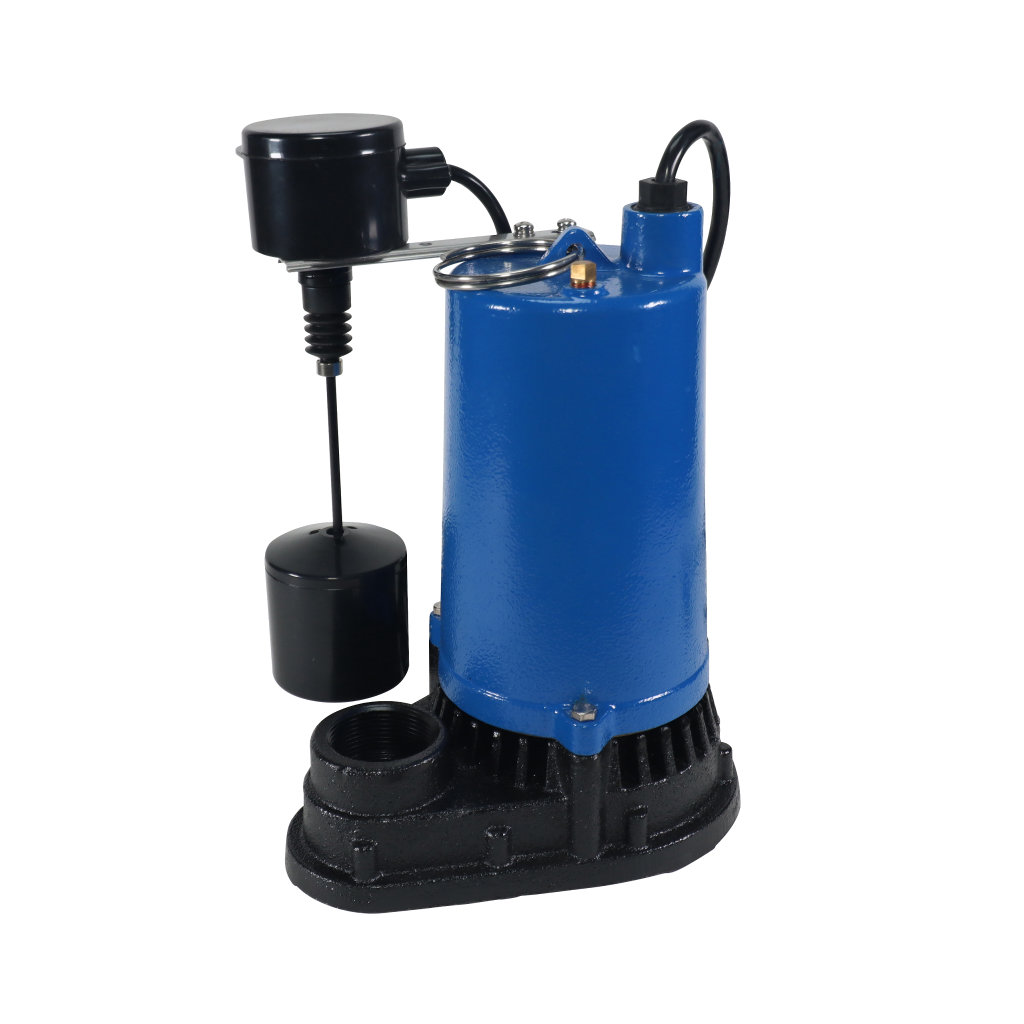
Remember that a small amount of preventive maintenance today can prevent costly water damage in the future. Look for signs that your pump needs service and perform regular checks to keep your system functioning efficiently. After 7-10 years, it may be time to contact your local plumbing professional to help you upgrade or replace parts of your sump pump system.
Learn more about the IPS pump solutions designed to keep your home or building dry and protected.